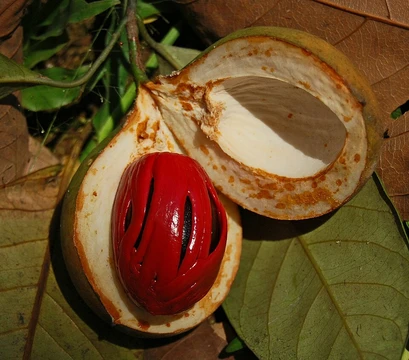
Shrub
A woody perennial plant with multiple stems, shorter than trees.

A shrub is a small to medium-sized perennial woody plant with persistent woody stems above ground. Unlike herbaceous plants, shrubs are distinguished from trees by their multiple stems and shorter height, typically less than 6–10 m (20–33 ft) tall, though the cutoff varies by species and growing conditions. Shrubs can be deciduous or evergreen, and small shrubs under 2 m (6.6 ft) are sometimes termed subshrubs. Shrubland is a natural landscape dominated by various shrubs, with distinct types worldwide including fynbos, maquis, shrub-steppe, shrub swamp, and moorland.
- type
- Perennial woody plant
- height_range
- Less than 6–10 m (20–33 ft)
- subshrub_height
- Less than 2 m (6.6 ft)
- lifespan
- Some species last about five years; others live beyond 70 years; average about eight years
- key_distinction
- Multiple stems, no main trunk below ground
- growth_forms
- Deciduous or evergreen
Lore & Background
Shrubs are perennial woody plants with persistent stems above ground, contrasting with herbaceous plants. They are generally distinguished from trees by their multiple stems and shorter height, though some tree species may appear shrub-sized under hostile conditions. The ancient Greek philosopher Theophrastus divided the plant world into trees, shrubs, and herbs. Most definitions characterize shrubs as having multiple stems with no main trunk below, as stems branch below ground level, though exceptions exist with very short trunks dividing near the ground.
Reader's Guide
Shrubs play a significant role in both natural ecosystems and cultivated landscapes. Ecologists and evolutionary biologists have proposed models explaining the adaptive value of multiple stems, including larger total stem area for photosynthesis, larger cambium and phloem area, and faster growth at early stages compared to trees. Shrubs also offer advantages such as extra stems if one dies and faster seed production. Many shrubs have good dispersal ability and can grow in extreme habitats like alpine areas. In recent decades, 'shrubification' has occurred in the arctic due to increased temperature, affecting plant community structure and carbon balance. In gardens and parks, cultivated shrub areas are known as shrubberies, and shrubs are used for topiary, renewal pruning, and selective pruning. They are generally considered broad-leaved plants, though some smaller conifers are shrubby in structure. Shrubs provide perfumed species like lavender and rose, medicinal plants, and berry-bearing species (culinary definition). Tea and coffee are on the tree-shrub boundary, normally harvested from shrub-sized plants.
Did You Know?
- Some shrub species only last about five years in good conditions, while others live beyond 70 years; on average, shrub species die after about eight years.
- Small shrubs less than 2 m (6.6 ft) tall are sometimes termed subshrubs.
- Shrubland types include fynbos, maquis, shrub-steppe, shrub swamp, and moorland.
- Many trees, if cut or broken, revert to shrub growth form for fast growth due to sprouting at the base.
Frequently Asked Questions
What is a shrub in plant biology?
A shrub is a perennial woody plant that retains its stems above ground year after year. It is defined by having multiple stems rather than a single dominant trunk, and it stays relatively short compared to trees.
How tall can a shrub get?
Most shrubs top out below 6 to 10 meters (roughly 20 to 33 feet), though the exact threshold shifts depending on the species and local growing conditions. Anything under 2 meters (about 6.6 feet) is often called a subshrub.
What separates a shrub from a tree?
The main tell is that shrubs branch into multiple stems without developing one large central trunk, and they generally stay shorter than trees. Both are woody perennials, but that multi-stem, shorter stature is what sets shrubs apart.
Can shrubs be both deciduous and evergreen?
Yes, shrubs come in both forms—some shed their leaves seasonally while others keep them year-round. This means you will find shrubs fitting into a wide range of climates and ecosystems worldwide.
How long do shrubs typically live?
Lifespan varies enormously, with some species lasting only around five years and others pushing past 70. The average tends to hover near eight years, though individual plants can fall well outside that range.
More in Plant Biology 1-16
Spotted an error? Know more?
This is a living reference — every entry is fact-audited, and reader corrections feed straight into our audit queue. Suggest an edit · See this site's audit record