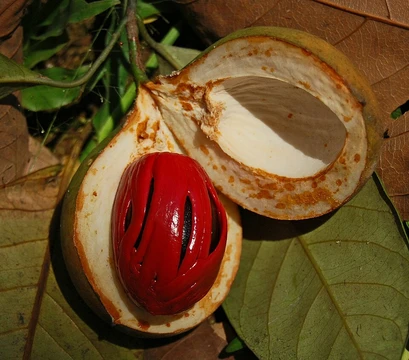
Plant reproduction
Plants reproduce sexually or asexually, forming clones or diverse offspring.

Plant reproduction encompasses the biological processes by which plants generate new individuals. It occurs through two primary modes: sexual reproduction, involving the fusion of gametes to produce genetically diverse offspring, and asexual reproduction, which produces clonal offspring from a single parent without gamete fusion. Asexual reproduction includes vegetative reproduction and apomixis, while sexual reproduction involves meiosis and fertilization, often with alternation between gametophyte and sporophyte generations.
- field
- Botany
- known_for
- Sexual and asexual reproduction mechanisms in plants
Lore & Background
Plants may reproduce sexually or asexually. Sexual reproduction produces offspring by the fusion of gametes, resulting in offspring genetically different from either parent. Vegetative reproduction produces new individuals without the fusion of gametes, resulting in clonal plants that are genetically identical to the parent plant and each other, unless mutations occur. In asexual reproduction, only one parent is involved. Asexual reproduction does not involve the production and fusion of male and female gametes. Asexual reproduction may occur through budding, fragmentation, spore formation, regeneration and vegetative propagation. Asexual reproduction in plants occurs in two fundamental forms, vegetative reproduction and agamospermy. Vegetative reproduction involves a vegetative piece of the original plant producing new individuals by budding, tillering, etc. and is distinguished from apomixis, which is a replacement of sexual reproduction, and in some cases involves seeds. Apomixis occurs in many plant species such as dandelions (Taraxacum species) and also in some non-plant organisms.
Reader's Guide
Plant reproduction is significant because it underpins the survival, spread, and genetic diversity of plant species. Asexual methods like vegetative reproduction allow plants to form clonal colonies, enabling perennial growth and expansion, though they risk pathogen transmission. Sexual reproduction generates genetic variation through meiosis and fertilization, which is crucial for adaptation. Humans exploit both modes: seeds are the most common form of plant reproduction used by people, but asexual methods such as cutting, grafting, and budding are used to propagate cultivars with desirable traits that do not come true from seed. Vegetatively propagated clones are important in research, as differences in growth under various conditions can be ascribed to environmental effects rather than genetic differences. The study of plant reproduction also reveals evolutionary patterns, such as the alternation of generations in land plants, where the gametophyte and sporophyte phases vary in size and complexity across mosses, ferns, gymnosperms, and flowering plants.
Did You Know?
- Vegetative reproduction produces clonal plants genetically identical to the parent unless mutations occur.
- Apomixis occurs in dandelions (Taraxacum species) and involves seed formation without fertilization.
- A major disadvantage of vegetative reproduction is the transmission of pathogens from parent to offspring.
- Pseudogamy occurs in some apomictic plants where pollination initiates embryo growth but contributes no genetic material.
The Genetic Fork: Two Paths to New Life
Plants face a fundamental choice when producing the next generation. In sexual reproduction, the fusion of male and female gametes creates offspring that carry a genetic mixture distinct from either parent, introducing variation into the population. Asexual reproduction, by contrast, bypasses gamete formation and fusion entirely, drawing all hereditary material from a single parent. The resulting offspring are essentially genetic replicas of the source plant, differing only if spontaneous mutations intervene. Within the asexual pathway, botanists recognize two broad categories. Vegetative reproduction relies on a structural part of the parent—stem, root, or occasionally leaf—to generate a new individual through processes like budding or tillering. Apomixis, sometimes called agamospermy, takes a different route: it substitutes for sexual reproduction by producing seeds whose embryos were never the product of fertilization. This distinction matters because apomixis can involve seed dispersal, blurring the line between what we intuitively call sexual and asexual reproduction. Together, these strategies give plants a remarkable toolkit for persistence and spread.
The Architecture of Cloning: Structures Built to Spread
Nature has equipped plants with a surprising variety of anatomical tools for asexual multiplication. Underground stems called rhizomes send out growing tips that can break away and establish as independent plants, a strategy seen in iris, couch grass, and nettles. Above ground, prostrate aerial stems known as runners or stolons creep along the surface, anchoring new individuals at intervals; strawberry plants and many grasses rely on this method. When a tree is cut back, adventitious buds can sprout from the remaining root system, producing a ring of new shoots—a process called suckering that elm and many rose-family members such as Rosa and Rubus exploit. Bulbous species like tulips, hyacinths, and onions divide their swollen underground structures into smaller bulbs, while potatoes and dahlias propagate through tubers and gladioli through corms. At the most microscopic scale, gemmae—tiny packets of one or a few cells—detach from liverworts, mosses, and even sundews to land and grow into exact clones. Each structure represents a different evolutionary solution to the same problem: spreading a genetically fixed individual across space.
Apomixis: Seeds That Skip the Mating
One of the most counterintuitive strategies in plant biology is apomixis, a process in which seeds form and disperse without any fertilization event. The embryo within such a seed is a direct clone of the mother plant, yet it is packaged in the familiar seed coat and can travel by wind or animal vectors just like a sexually produced seed. Dandelions (Taraxacum species), hawkweeds (Hieracium), certain Citrus species, and Kentucky blue grass (Poa pratensis) all employ this mechanism. A particularly fascinating variant is pseudogamy, in which pollination is still required to trigger embryo development, but the pollen grain contributes absolutely no genetic material to the offspring—it acts purely as a biochemical stimulus. Beyond seed-based apomixis, some plants produce a miniature plantlet where a seed would normally form, or generate bulbils in place of flowers, each yielding a new clonal individual. Apomixis is not confined to the plant kingdom; analogous processes in non-plant organisms fall under the broader term parthenogenesis. For the plant, apomixis offers the dispersal advantages of seeds while preserving the genetic uniformity of asexual reproduction.
Human Hands on Cloning: Horticulture's Asexual Toolkit
Although seeds remain the most widely used means of plant propagation, horticulturists and farmers have long refined asexual techniques that mirror and amplify natural processes. The goal is typically to preserve a cultivar whose desirable traits—fruit size, flower color, disease resistance—would not reliably reappear if the plant were grown from seed. Cuttings are among the simplest methods: a stem segment is severed just below a node, treated with rooting hormones, and encouraged to develop a full root system until it becomes a self-sufficient, genetically identical clone. Blackberries, African violets, and verbenas are commonly propagated this way. Grafting takes the concept further by joining a stem or bud from a desired cultivar onto the root system of a different, already-established plant. A single apple tree sold at a nursery might carry four or more grafted fruit varieties on one trunk. Fruit-tree nurseries frequently bud or graft selected clones onto rootstocks that were themselves produced by stooling. At the laboratory end, tissue culture enables mass cloning from tiny explants. All these methods share a common thread: they lock in a specific genotype, bypassing the genetic reshuffling that sexual reproduction would introduce.
Frequently Asked Questions
Who is Plant reproduction?
Plant reproduction is the collection of biological processes by which plants generate new individuals, operating through both sexual and asexual pathways. It is a central topic in botany and governs how every plant species perpetuates itself across generations.
What are Plant reproduction's powers or role?
Its core mechanisms include sexual reproduction, where meiosis produces gametes that fuse to yield genetically varied offspring, and asexual reproduction, where a single parent creates clonal copies without any gamete fusion. It also coordinates the alternation of generations between gametophyte and sporophyte stages in many lineages.
How does Plant reproduction's story end?
The arc concludes with a viable new plant—either a genetically unique individual born from fertilization or an exact clone produced via vegetative growth or apomixis. Once that new individual is established, the entire cycle is poised to restart with the next generation.
Why is Plant reproduction important?
It is the fundamental engine behind the survival, genetic continuity, and diversification of all plant species on Earth. Without these processes, food systems, ecosystem stability, and biodiversity would be impossible, making it a cornerstone of botanical science.
What are Plant reproduction's main allies?
Its two principal allies are sexual reproduction, which drives genetic diversity through meiosis and fertilization, and asexual reproduction, which covers vegetative propagation and apomixis for rapid clonal expansion. Together they give plants flexible strategies to thrive across a wide range of environments.
More in Plant Biology 1-16
Spotted an error? Know more?
This is a living reference — every entry is fact-audited, and reader corrections feed straight into our audit queue. Suggest an edit · See this site's audit record